Postpartum Hair Loss: What's Actually Normal (and What Helps)
If you've noticed clumps of hair in the shower drain, on your pillow, or wrapped tightly around your baby's tiny fingers, take a breath. You are not going bald. You are not sick. This is one of the most common, and least talked about, parts of the fourth trimester, and it happens to almost every new mum eventually.
Nobody warns you about this bit. You spend nine months with thick, glossy "pregnancy hair" and then, seemingly overnight, it starts coming out in handfuls. It can feel alarming, especially when you're already running on broken sleep and a body that doesn't quite feel like yours yet. So let's talk about what's actually going on, and what genuinely helps.
Why does your hair fall out after birth?
During pregnancy, rising oestrogen keeps more of your hair in its growing phase for longer than usual. That's why so many mums notice fuller, thicker hair while pregnant, you're simply shedding less than normal.
Once you give birth, oestrogen drops quickly, and all those hairs that were "on hold" move into the shedding phase at once. The medical term is telogen effluvium, but you don't need to remember that. What matters is this: it is a hormonal response, not a health problem, and it is temporary.
When does postpartum hair loss start, and when does it stop?
For most mums, shedding ramps up around the three to four month mark postpartum, and can feel most noticeable around month four or five. It usually settles down by six to twelve months after birth, though every body has its own timeline.
One of the first signs that things are turning a corner is a fringe of short, wispy new growth around your hairline. Mums often describe it as looking like "baby hairs" sticking straight up. It's not the most glamorous phase, but it's a good sign your hair is regrowing.
What can actually help
There's no product that will stop the hormonal shift behind postpartum shedding, and be wary of anything that promises to. But there are gentle things that can support your hair, and just as importantly, support you, while your body finds its new normal.
Be gentle with your hair. Swap tight elastics and high ponytails for looser styles, and try a wide-tooth comb rather than a brush when your hair is wet and more fragile.
Keep an eye on nutrition. Iron, protein, and B vitamins all play a role in hair health. If you were taking a prenatal vitamin, ask your GP or midwife whether continuing it (or switching to a postnatal formula) makes sense for you.
Try a gentle scalp routine. A light scalp massage while washing your hair can boost blood flow to the follicles and feels lovely besides, especially in a shower that might otherwise be the only five minutes you get alone all day. It won't undo a hormonal shift, but it's a small, calming habit you can fold into a routine you're already doing.
Don't underestimate rest and stress. Chronic exhaustion and stress can make shedding feel more intense. This is where carving out even small pockets of calm for yourself genuinely matters, not as a luxury, but as part of your recovery.
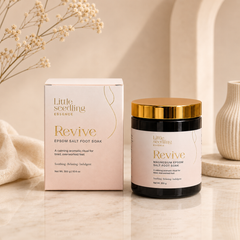
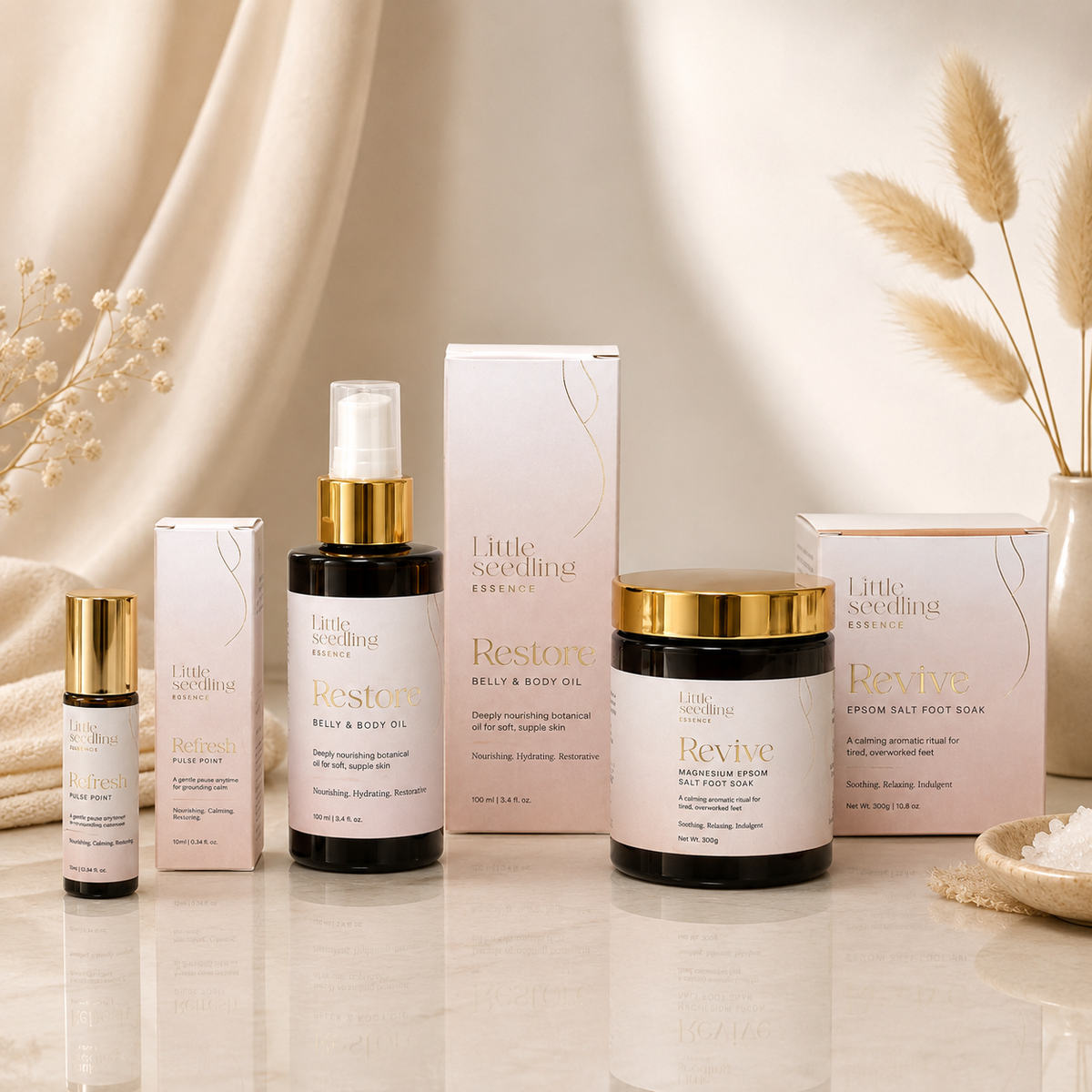
Magnesium Epsom salts for tired, swollen feet. Soothes, relaxes and restores. Safe during pregnancy and postpartum.
A ten minute foot soak while someone else holds the baby, or while you scroll your phone with your feet up, isn't going to fix your hormones. But it gives your nervous system a moment to settle, and that matters more than we tend to admit in the fourth trimester.
When to check in with your GP or midwife
Most postpartum hair loss is normal and resolves on its own. But it's worth mentioning to your GP if shedding feels excessive, if you're noticing bald or thinning patches rather than all-over shedding, if it hasn't started to ease by twelve months, or if it's accompanied by other symptoms like ongoing fatigue, since thyroid changes after birth can sometimes look similar. Your GP can run simple checks, such as a blood test, to rule anything else out and give you real peace of mind.
5 gentle ways to support your hair (and yourself) right now
- Swap tight elastics and high buns for looser styles that don't pull on your hairline.
- Use a wide-tooth comb on wet hair instead of brushing, wet hair is more fragile.
- Ask your GP whether continuing a prenatal or starting a postnatal vitamin is right for you.
- Protect a small pocket of rest each day, even ten minutes, it supports your whole body's recovery.
- Give it time. Most shedding eases within six to twelve months, and that fuzzy new growth is a good sign.
Frequently asked questions
Is postpartum hair loss normal?
Yes. Most mums experience some degree of postpartum shedding due to the natural drop in oestrogen after birth. It's considered a normal, temporary part of recovery rather than a medical condition.
When does postpartum hair loss start?
It typically begins around three to four months after birth, though it can start earlier or later depending on your body.
How long does postpartum hair loss last?
Most mums see shedding ease within six to twelve months, with regrowth showing as short, wispy hairs around the hairline.
Does breastfeeding cause more hair loss?
Breastfeeding itself isn't the direct cause, hormonal shifts after birth are. However, ongoing tiredness and nutritional demands can make shedding feel more noticeable, so eating well and resting where you can may help.
Will my hair go back to how it was before?
For most mums, hair density gradually returns to its pre-pregnancy state, though texture or thickness can shift slightly for some. If you're concerned it isn't improving, check in with your GP.
Made with love for mums in Australia. Little Seedling Essence, Pregnancy Safe Skincare, Made in Byron Bay.
Give Your Body a Little Extra Care Right Now
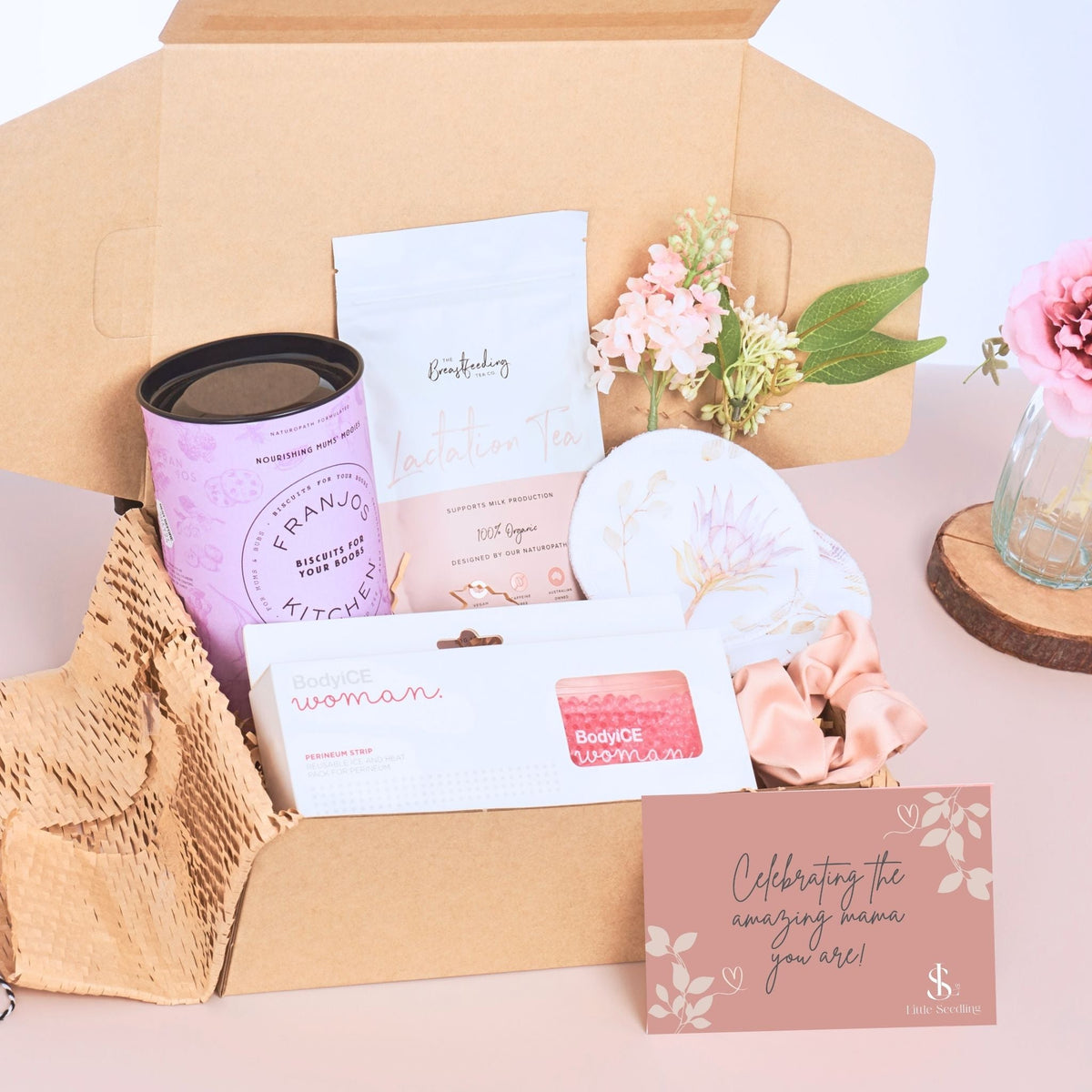
The fourth trimester asks a lot of you. Our Postpartum Essentials Gift is a gentle way to feel looked after while your body finds its new normal.
Shop Postpartum Essentials Gift →Browse all gifts for new mums · Free shipping to Australia on qualifying orders.

Leave a comment
This site is protected by hCaptcha and the hCaptcha Privacy Policy and Terms of Service apply.