Postpartum Hair Loss: What's Normal and What Actually Helps
You're standing in the shower, and there it is again. A handful of hair wrapped around your fingers. It's on your pillow, in your hairbrush, all over the bathroom floor. And somewhere between the exhaustion and the love and the endless washing, a quiet worry creeps in: is this normal?
If you've been through this, or you're in the thick of it right now, take a breath. You're not falling apart. Your body is doing something completely ordinary, even if it doesn't feel that way when you're clutching another clump of hair over the sink.
Let's talk about postpartum hair loss gently and honestly. What it is, why it happens, when it settles, and how to be kind to yourself while it does.
What is postpartum hair loss?
During pregnancy, many of us are blessed with thick, glossy hair. That's not just luck. Higher hormone levels keep hair that would normally fall out hanging around for longer, so your hair feels fuller than usual.
Then baby arrives, your hormones begin to settle, and all that hair you held onto during pregnancy decides to leave at once. It can feel dramatic, but it's simply your body catching up. The proper name for it is telogen effluvium, but you might just know it as "why is my hair everywhere".
It usually starts around three months after birth, and for many mums it peaks around the four month mark. If you're right in the middle of it, please know it's incredibly common.
Is this much shedding really normal?
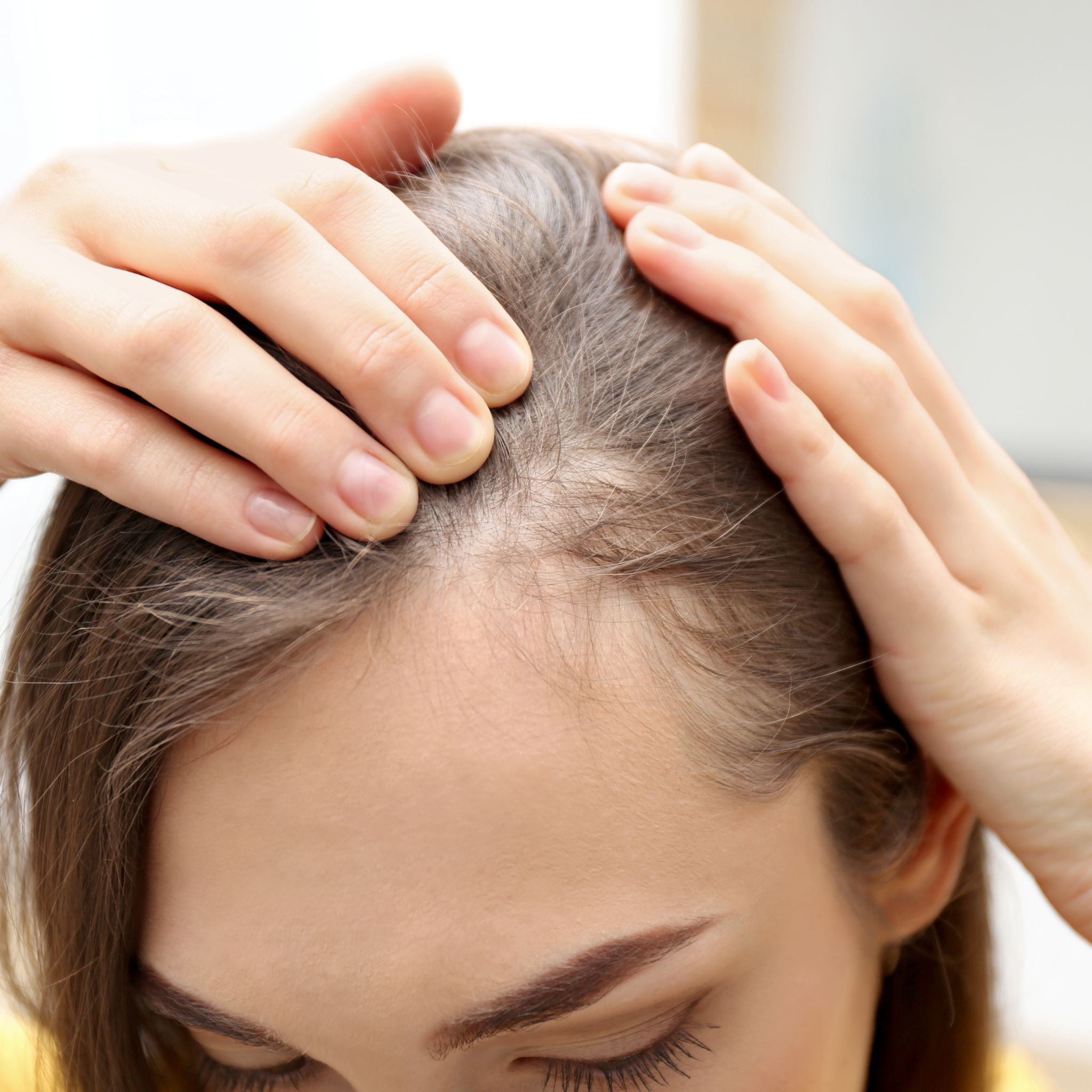
Most of the time, yes. Postpartum shedding can look alarming, especially around your hairline and temples, but it's a normal part of your body finding its rhythm again after pregnancy.
That said, you know your body better than anyone. If your hair loss feels extreme, comes with other symptoms like feeling constantly wiped out, low mood, or changes in your skin and nails, it's worth a chat with your GP. Sometimes things like low iron or thyroid changes can play a part after birth, and those are worth checking. Asking is never an overreaction.
When does postpartum hair loss stop?
Here's the reassuring part. For most mums, the shedding eases by around six months postpartum and your hair is back to its usual fullness somewhere between nine and twelve months.
You might notice little baby hairs, those short, wispy regrowth strands, framing your face along the way. They stick up at funny angles and refuse to sit down. They're annoying and they're also a good sign: your hair is coming back.
It doesn't happen overnight, and it can test your patience. But it does settle. Truly.
Gentle ways to care for your hair (and yourself)
- Be gentle when it's wet. Wet hair is more fragile. Use a wide-tooth comb and start from the ends, working up slowly instead of dragging from the roots.
- Ease off tight styles. Tight buns and ponytails pull on already-stressed hairline hair. A loose, low tie or a soft claw clip is kinder.
- Nourish from the inside. Keep eating well where you can, stay hydrated, and take your supplements if your GP has recommended any. Your body is recovering and rebuilding.
- Skip the heat when you can. Give the straightener and hairdryer a rest on the days you don't need them. Air-drying is one less thing to do anyway.
- Try a scalp massage. A slow minute massaging your scalp feels lovely and gives you a small pocket of calm in a busy day.
And here's the most important tip of all: try not to be hard on yourself. This season is temporary, even when it doesn't feel like it.
A gentle reminder while your body finds its way back
Postpartum hair loss is one of those changes no one really warns you about. It arrives right when you're already stretched thin, running on broken sleep and giving everything you have to your baby.
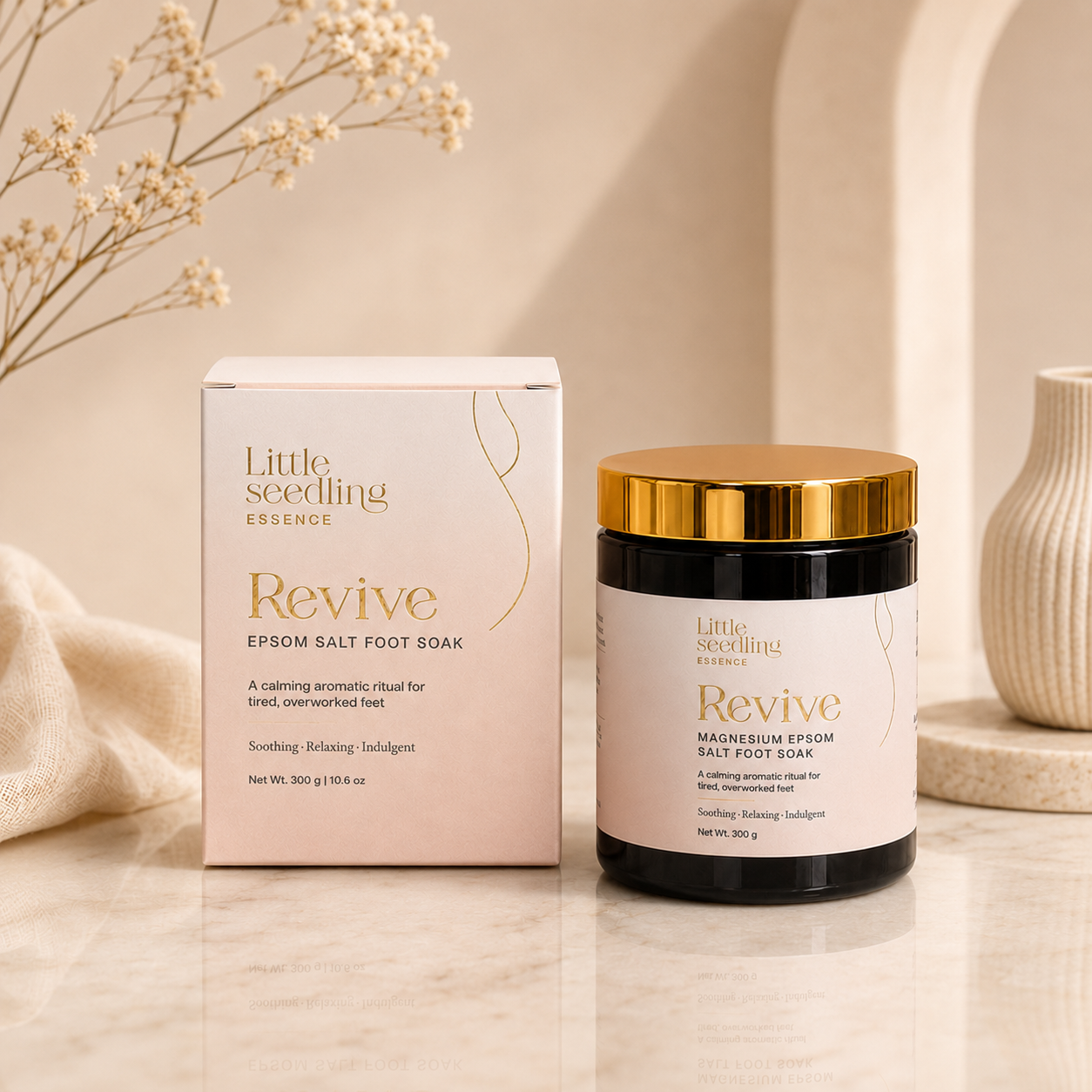
So this is your gentle reminder: you deserve care too. Not the big, time-consuming kind you don't have space for right now, but small, restoring moments. A warm shower without rushing. Five minutes with your feet up. Something that reminds you you're still in there, underneath the nappies and the night feeds.
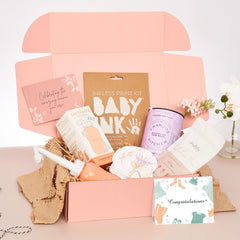
Curated for the fourth trimester. Everything inside is chosen to help a new mum recover, rest and feel genuinely cared for.
If someone you love has just had a baby and you're not sure what to do, this is a beautiful place to start. Sometimes the kindest thing you can give a new mum is permission to look after herself.
Frequently asked questions
When does postpartum hair loss start?
It usually begins around three months after birth and often peaks around four months. If yours started earlier or later, that's still within the range of normal for many mums.
How long does postpartum hair loss last?
For most mums, the heavy shedding eases by around six months, with hair returning to its usual fullness by nine to twelve months postpartum. Regrowth takes time, so be patient with yourself.
Can I stop postpartum hair loss?
You can't really stop the shedding, because it's your hormones naturally rebalancing. What you can do is care for your hair gently, eat well, and check in with your GP if anything feels off. It will settle on its own.
Is postpartum hair loss a sign something is wrong?
Usually not. It's a normal part of recovery. But if it feels extreme or comes with tiredness, low mood or other changes, it's worth asking your GP to check things like your iron and thyroid, just to be sure.
Will my hair go back to how it was?
For most mums, yes. Your hair usually returns to its pre-pregnancy fullness within a year. Those little regrowth hairs framing your face are a sign it's already on its way back.
Made with love for mums in Australia. Little Seedling Essence, Pregnancy Safe Skincare, Made in Byron Bay.
Because someone should be looking after the mum
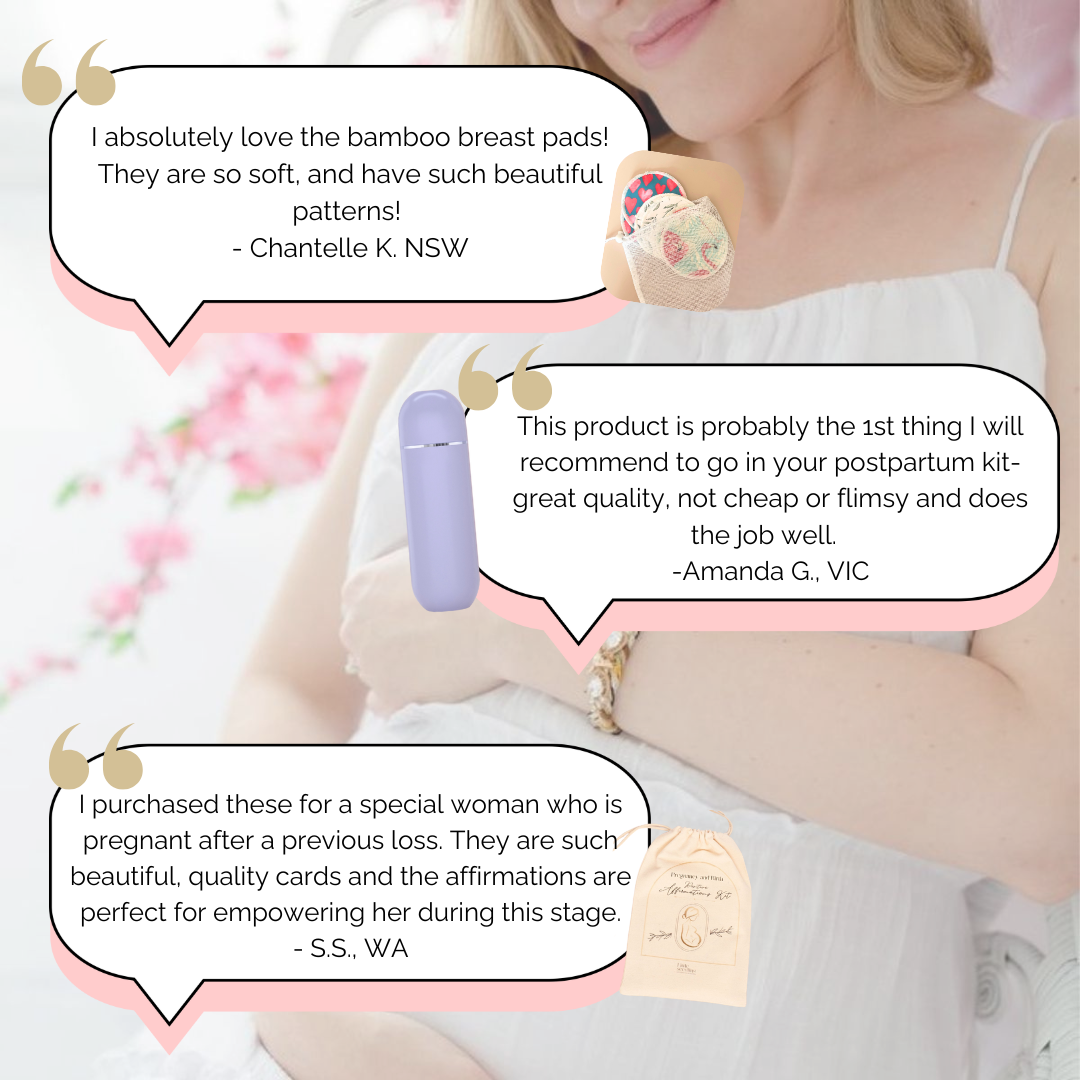
Our Postpartum Essentials Gift is curated for the fourth trimester, to help a new mum rest, recover and feel genuinely cared for.
Shop the Postpartum Essentials Gift →Explore gifts for new mums · Free shipping to Australia on qualifying orders.

Leave a comment
This site is protected by hCaptcha and the hCaptcha Privacy Policy and Terms of Service apply.