Dear New Mum: What No One Tells You About Your Body in the Fourth Trimester
Nobody really prepares you for what happens to your body after birth.
There's so much focus on pregnancy, on the birth itself, that the fourth trimester, the 12 weeks that follow, can feel like falling off a cliff you didn't know was there. Your baby is here, everyone wants to know how the baby is. And meanwhile your body is going through one of the most significant transitions it will ever experience, largely in silence.
This is for you. A gentle, honest guide to what's actually happening in your body during the fourth trimester, and how to care for yourself through it.
What is the fourth trimester?
The term "fourth trimester" refers to the three months after birth, a period increasingly recognised by researchers and health professionals as a distinct and critical stage of the perinatal experience. For decades, postpartum care in most Western countries ended at the six-week check. Many women now advocate, rightly, for a much longer, more supported recovery period.
During the fourth trimester, your body is healing from birth, your hormones are undergoing their most dramatic shift since puberty, you're learning to feed a baby, and you're doing all of this on the least sleep of your adult life. It is genuinely one of the hardest things a human body goes through. And it often looks invisible from the outside.
What's happening to your body right now
Hormone changes
In the days after birth, your oestrogen and progesterone levels drop dramatically and rapidly. These are the same hormones that have been surging throughout pregnancy, and their sudden withdrawal is significant. For many women, this hormonal crash contributes to what's often called the "baby blues," a period of tearfulness, anxiety and emotional fragility that typically peaks around day three or four and usually resolves within two weeks.
Prolactin rises as your milk comes in, and oxytocin flows in abundance when you feed or hold your baby. Your body is trying to do a hundred things at once, hormonally speaking.
If low mood, anxiety or emotional difficulty persists beyond two weeks, please talk to your GP or midwife. Postnatal depression affects around 1 in 5 Australian women and is very treatable with the right support. You do not have to manage this alone.
Physical recovery
Regardless of how you birthed, your body has done something extraordinary and it needs time to heal.
For vaginal births, the perineum (the area between your vagina and anus) has stretched and may have torn or been cut. Healing takes time, tenderness is normal, and warmth can help enormously. A postpartum peri bottle, warm sitz baths and gentle care can make a meaningful difference in those first weeks.
For caesarean births, the recovery is from major abdominal surgery. Your scar will need careful care, you'll be advised not to lift anything heavier than your baby for weeks, and internal healing takes much longer than the external scar might suggest. Be patient with yourself. Your body has done something remarkable.
Lochia
Lochia is the postpartum discharge that follows birth, whether vaginal or caesarean. It begins as bright red bleeding in the first few days, gradually becoming lighter and more pinkish-brown over two to six weeks. This is your uterus shedding its lining and contracting back to its pre-pregnancy size. It's normal, but if you ever soak more than one pad per hour, pass large clots, or notice a foul smell, contact your healthcare provider immediately.
Breast changes
Whether you choose to breastfeed or not, your breasts will change significantly in the days after birth. Around days two to five, your milk typically "comes in," replacing the early colostrum. This can cause engorgement: your breasts becoming hard, heavy and uncomfortable as they adjust to milk production. Frequent feeding (or expressing) and warm compresses before feeds can help ease this.
If you're not breastfeeding, your milk will still come in briefly before your body recognises that demand isn't there and production stops. This can be uncomfortable for a few days. Cold compresses and a supportive, non-stimulating bra can help.
Night sweats and temperature changes
Waking drenched in sweat in the middle of the night? This is your body eliminating the extra fluid it accumulated during pregnancy. It's normal, it's temporary, and it's a sign that your body is doing exactly what it should. Light, breathable layers help, and keeping a cold glass of water bedside is a small but welcome comfort.
Swelling
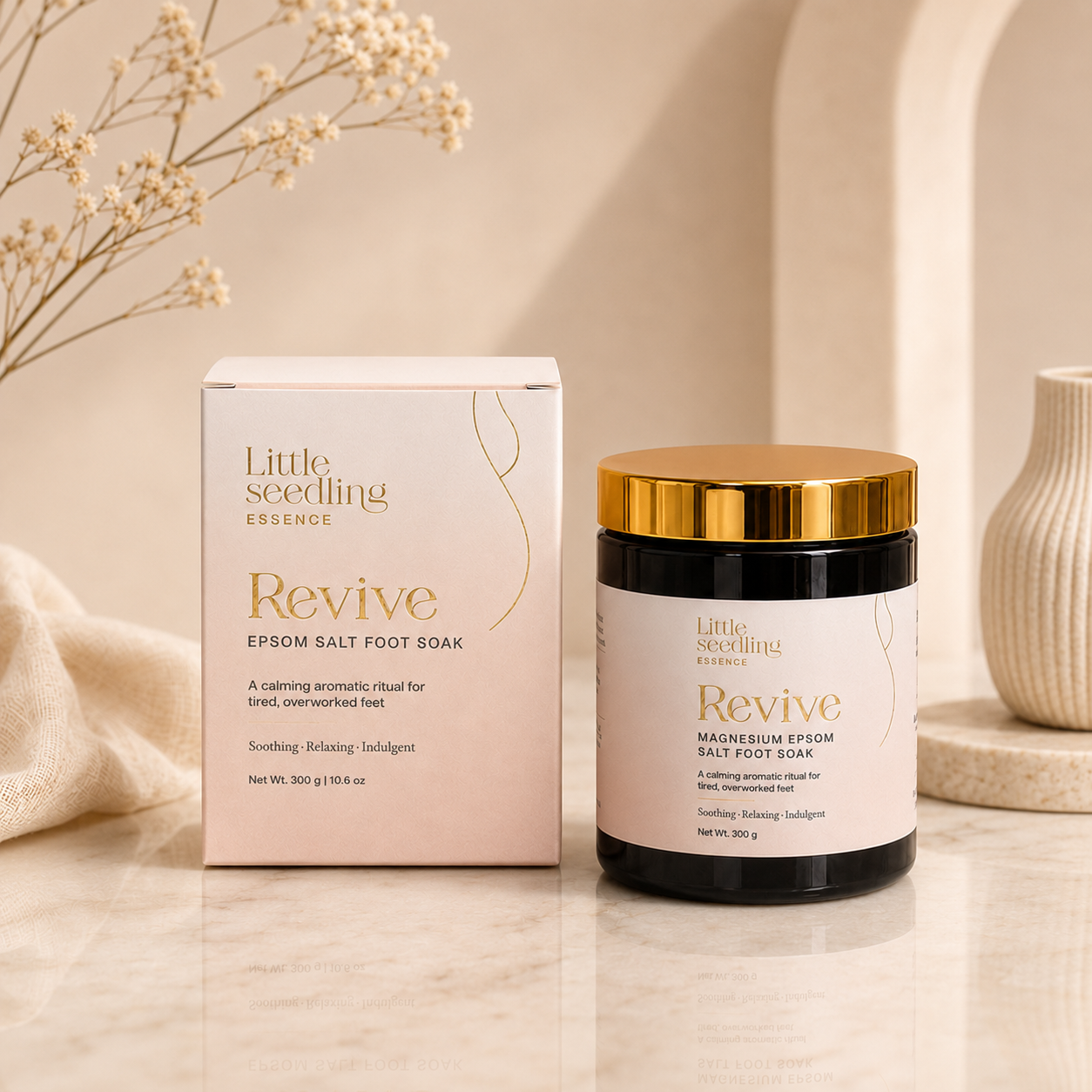
As mentioned above, swelling can actually worsen in the first days postpartum before it improves, particularly if you had IV fluids during labour. Elevating your feet when you can, gentle movement and a warm magnesium foot soak can all help ease the discomfort.
Hair loss
Many women are caught off guard by postpartum hair loss, which typically begins around three to four months after birth. During pregnancy, elevated oestrogen keeps more hair in its growth phase, meaning less falls out. After birth, oestrogen drops and all that held-on hair sheds at once. It can feel alarming. It's normal, it's temporary, and your hair will recover. Gentle handling, minimal heat styling and patience are your best tools here.
Skin changes
Postpartum skin often feels different: drier, more sensitive, less even in tone. Hormonal shifts affect the skin's oil production and moisture retention. The belly skin that stretched so dramatically over the past months may feel loose, and stretch marks, once a vibrant red or purple, begin to fade to silver. This is all a normal part of your skin's recovery journey.
A deeply nourishing body oil can make this transition more comfortable. Applied daily, it supports skin texture, eases dryness and gives you a few quiet minutes that belong entirely to you.
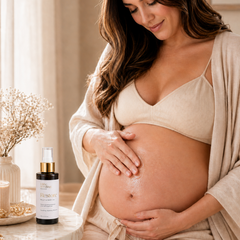
Certified organic rosehip, argan, avocado and camellia oils. Deeply nourishing for postpartum skin. Made in Byron Bay.
Caring for your body and your mental health
Rest when the baby sleeps. You've heard it a thousand times and you might roll your eyes at it, but it remains one of the most important things you can do for your recovery. Sleep deprivation compounds every other challenge of the fourth trimester. Even 20-minute rests can make a difference.
Accept help. If someone offers to bring food, hold the baby while you shower, or take the older children for an hour, say yes. This isn't weakness. It's wisdom.
Stay hydrated. Breastfeeding increases your fluid needs significantly, and dehydration can make everything feel harder, including your mood.
Move gently. No one is suggesting you hit the gym at six weeks. But a short walk in the fresh air, a gentle stretch, or even just standing in the sunlight for ten minutes can meaningfully support your mood and energy.
Do something just for you, even something very small. A warm foot soak. A few minutes with a nourishing body oil. A cup of tea that you actually drink while it's hot. These tiny acts of self-care are not indulgent. They're restorative. They remind you that you exist as a person, not only as a mother.
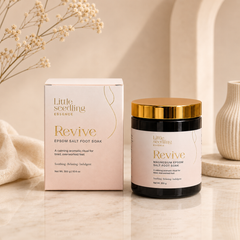
Magnesium Epsom salts for tired, swollen feet. A restorative 20-minute ritual for the fourth trimester. Safe postpartum.
A word on postnatal depression
Postnatal depression is not a sign of weakness. It is not a sign that you don't love your baby. It is a medical condition, common and treatable, that affects around one in five Australian mothers. It can develop at any point in the first year after birth, not just immediately.
Signs to look out for include persistent low mood or anxiety beyond two weeks, feeling unable to cope or bond with your baby, losing interest in things you used to enjoy, and feeling hopeless or worthless.
If any of this sounds familiar, please talk to your GP, midwife or a trusted person in your life. You are not alone. Support is available, and you deserve it.
You can also call the PANDA Helpline (Perinatal Anxiety and Depression Australia) on 1300 726 306, Monday to Saturday 9am to 7:30pm AEST.
Frequently asked questions
How long does the fourth trimester last?
The fourth trimester refers to the first 12 weeks (three months) after birth. However, physical and emotional recovery from pregnancy and birth often continues well beyond this, sometimes for a full year or more. Be patient with yourself.
When does postpartum swelling go down?
Postpartum swelling typically peaks around days 3 to 5 after birth and begins to resolve over the first one to two weeks as your body eliminates excess fluid through sweating and urination.
Is postpartum hair loss normal?
Yes, very. Postpartum hair loss typically begins around three to four months after birth and is a normal hormonal response. It is temporary. Most women see full recovery within 12 months.
When can I start using body oil postpartum?
You can use RESTORE Belly and Body Oil safely from birth. Apply it to your body once any stitches or incisions have healed and the area is comfortable to touch.
How do I know if postpartum feelings are normal or something more serious?
Baby blues (tearfulness, mood swings, feeling overwhelmed) in the first week or two are normal. If low mood, anxiety or emotional difficulty persists beyond two weeks or feels severe, please speak with your GP or midwife. Postnatal depression is common and very treatable.
Made with love for mums in Australia. Little Seedling Essence — Pregnancy Safe Skincare, Made in Byron Bay.
You deserve care in the fourth trimester too
Our postpartum self-care range is made for exactly this season. Nourishing, gentle, and safe through breastfeeding.
Shop Postpartum Essentials →View the full Essence Collection · Free shipping to Australia on qualifying orders.

Leave a comment
This site is protected by hCaptcha and the hCaptcha Privacy Policy and Terms of Service apply.